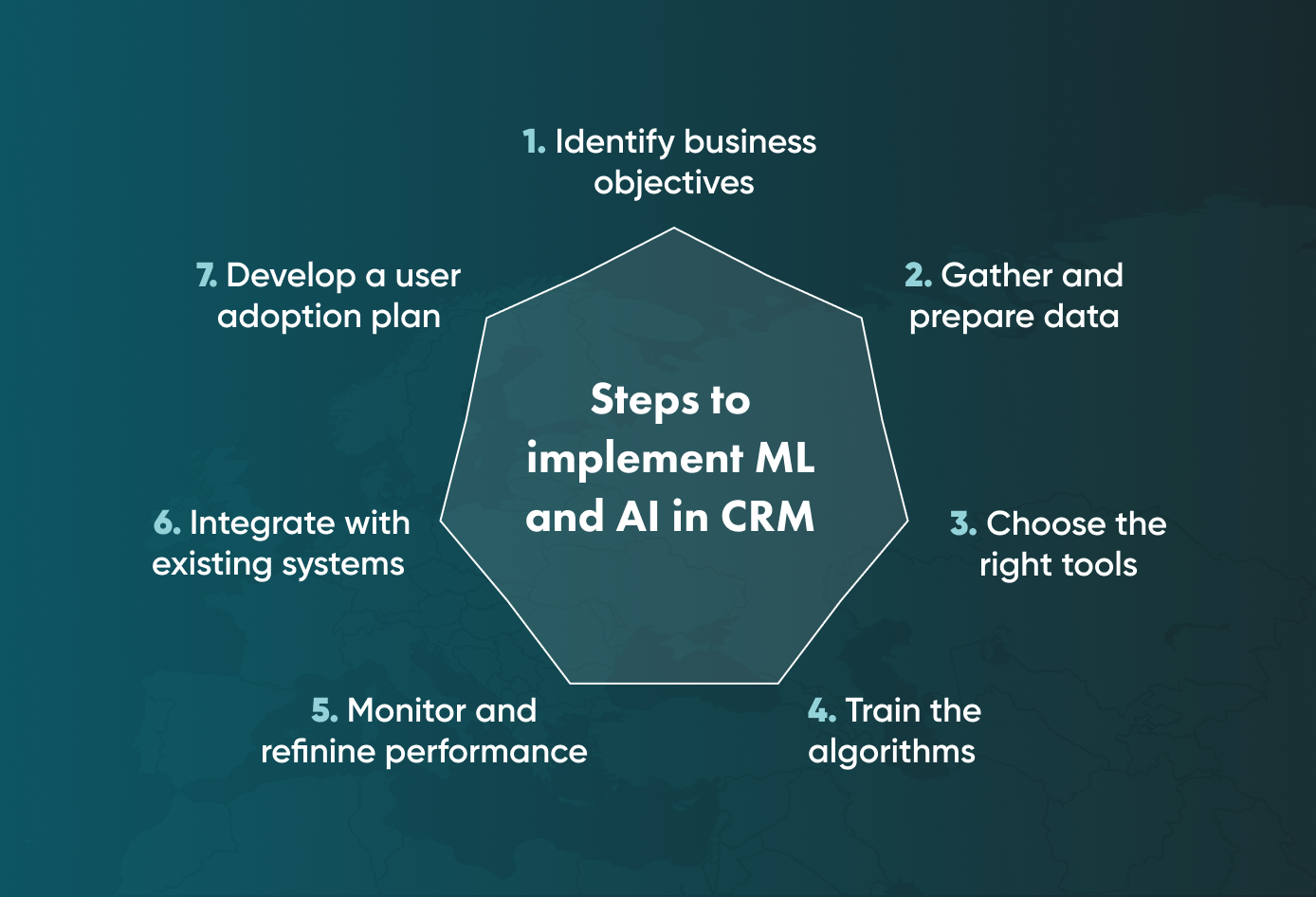
In the era of digital transformation, Artificial Intelligence (AI) is revolutionizing the way businesses operate, enabling smarter decision-making, personalized customer experiences, and optimized processes. Central to this AI evolution is the effective use of Customer Relationship Management (CRM) systems as a rich source of data. Leveraging CRM data to train AI models unlocks powerful insights and automation capabilities that propel businesses ahead of the competition.
This article explores how CRM systems serve as foundational assets in training AI models, the benefits of this integration, and best practices to maximize results.
1. The Synergy Between CRM and AI
CRM platforms accumulate vast amounts of structured and unstructured customer data—ranging from contact details and purchase histories to interaction logs and behavioral patterns. This rich, labeled data is essential for training AI models that require quality inputs to learn and make accurate predictions.
By combining CRM and AI, businesses can:
- Enhance customer segmentation
- Predict customer behavior and churn
- Automate personalized marketing campaigns
- Improve sales forecasting and lead scoring
- Optimize customer support through chatbots and virtual assistants
The CRM serves as both the data repository and feedback loop, continuously enriching AI algorithms with fresh information.
2. Types of CRM Data Used to Train AI Models
a. Customer Demographics and Profiles
Basic data such as age, location, industry, and role help AI classify and segment customers accurately.
b. Interaction and Engagement History
Email opens, clicks, call records, meeting notes, and website visits provide context about customer interests and intent.
c. Transaction and Purchase Records
Product preferences, order frequency, and payment behaviors enable AI to forecast sales trends and recommend upsells.
d. Customer Support Tickets and Feedback
Service issues, resolution times, and satisfaction scores inform AI-driven improvements in support automation and issue prediction.
e. Social Media and Sentiment Data
When integrated, social listening data enriches CRM insights, allowing AI to gauge brand sentiment and emerging trends.
3. Training AI Models Using CRM Data
To effectively train AI models with CRM data, businesses must:
a. Clean and Prepare Data
Ensure the CRM data is accurate, complete, and consistent. Remove duplicates, correct errors, and normalize data formats to improve model training quality.
b. Label Data Appropriately
For supervised learning, categorize data points—such as labeling leads as “converted” or “lost”—to guide the AI in pattern recognition.
c. Integrate Multiple Data Sources
Combine CRM data with external datasets like market trends or competitor activity to create robust, holistic models.
d. Continuously Update Data
AI models require ongoing training with fresh CRM inputs to adapt to evolving customer behaviors and market conditions.
4. Benefits of Using CRM to Train AI Models
a. Improved Predictive Accuracy
High-quality CRM data enables AI to generate precise forecasts—whether predicting customer churn, lifetime value, or campaign outcomes.
b. Enhanced Personalization
AI can tailor messaging, offers, and product recommendations based on CRM insights, driving engagement and conversion.
c. Increased Operational Efficiency
Automated lead scoring, workflow prioritization, and customer support reduce manual effort and accelerate response times.
d. Better Strategic Decision-Making
AI-powered analytics provide actionable insights grounded in real customer data, enabling smarter business strategies.
5. Practical Applications of AI Trained with CRM Data
a. Intelligent Lead Scoring
AI models analyze CRM data to prioritize leads most likely to convert, enabling sales teams to focus their efforts effectively.
b. Customer Churn Prediction
By recognizing early warning signs from CRM behavior patterns, AI helps businesses proactively engage at-risk customers.
c. Personalized Marketing Automation
Automated campaigns dynamically adjust content and timing based on AI-driven predictions derived from CRM profiles.
d. AI-Powered Chatbots
Chatbots use CRM data to deliver personalized support and resolve queries quickly, enhancing customer satisfaction.
6. Challenges and Best Practices
a. Data Privacy and Compliance
Ensure CRM data used for AI training complies with regulations like GDPR and CCPA to protect customer privacy.
b. Data Quality Management
Regularly audit CRM data to maintain its reliability for AI training.
c. Cross-Department Collaboration
Align marketing, sales, IT, and data science teams to maximize the synergy between CRM data and AI initiatives.
d. Continuous Monitoring and Improvement
Monitor AI model performance and retrain with updated CRM data to maintain accuracy and relevance.
Conclusion
Harnessing CRM data to train AI models is a transformative strategy that empowers businesses to unlock deeper customer insights, automate key processes, and deliver highly personalized experiences. By integrating CRM and AI, organizations gain a competitive edge in understanding and anticipating customer needs—driving growth, loyalty, and operational excellence.
The future belongs to companies that leverage their CRM as a strategic AI training ground, continuously refining models and enriching customer relationships with data-driven intelligence.