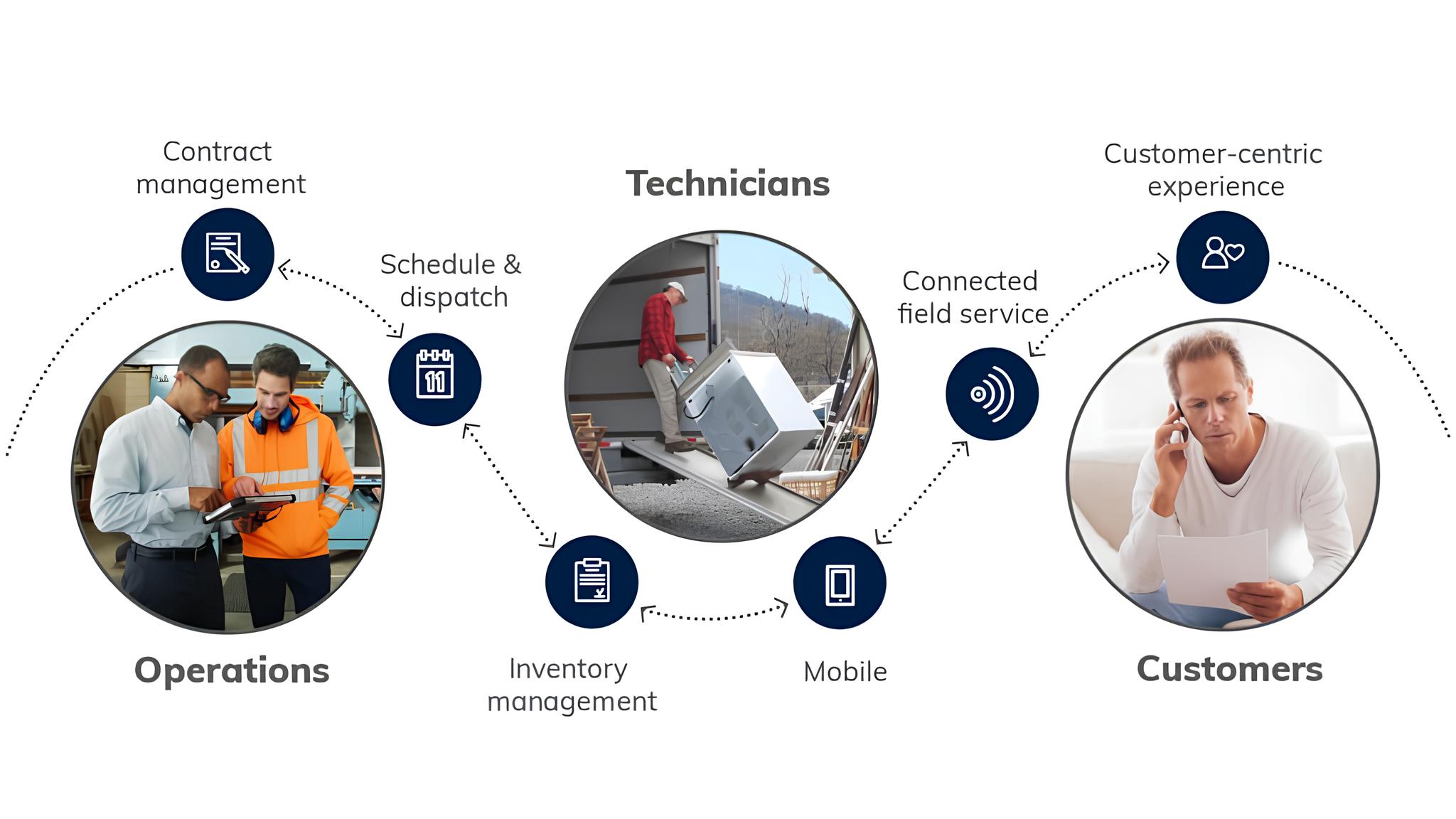
In an increasingly mobile and data-driven business environment, managing field operations efficiently is no longer optional—it’s essential for delivering superior customer service and optimizing productivity. Companies with sales teams, service technicians, or inspection crews operating outside of the office must keep communication seamless, updates real-time, and data centralized. Customer Relationship Management (CRM) systems are powerful tools that enable this level of coordination, allowing businesses to elevate their field operations to new levels of efficiency and performance.
Why CRM is Crucial for Field Operations
Field operations are often the most complex part of a business to manage. Challenges include:
- Real-time communication gaps between office and field teams
- Inconsistent data collection and customer record updates
- Scheduling conflicts and inefficient routing
- Poor visibility into team performance or job status
By integrating CRM software into field operations, companies can automate, streamline, and centralize every touchpoint—ensuring real-time updates, accurate data logging, and superior customer experiences.
1. Centralized Customer Data Access
Field teams need instant access to up-to-date customer data—whether they’re visiting a client site, making a sales call, or conducting maintenance. A CRM system ensures that:
- Customer profiles, purchase histories, service records, and notes are accessible from any device
- Field agents can update data on the go, eliminating paperwork and data silos
- Teams across departments are aligned with real-time information
Using mobile-enabled CRM apps, reps and technicians can view past interactions, understand customer preferences, and make informed decisions on-site—enhancing service quality and closing rates.
2. Intelligent Scheduling and Dispatching
Efficient scheduling is the backbone of effective field operations. CRM tools help:
- Automate appointment scheduling and calendar integration
- Optimize dispatch routes using geo-location and traffic data
- Match tasks with the right personnel based on skills and availability
Advanced CRMs integrate with field service management (FSM) modules, allowing managers to coordinate dispatches with precision and adaptability—reducing delays, travel time, and operational costs.
3. Real-Time Updates and Communication
One of the biggest advantages of using CRM for field operations is real-time communication. Modern CRM platforms offer:
- Instant messaging between field agents and support teams
- Automated status updates (job started, in progress, completed)
- Notification alerts for changes in schedule or customer requests
This real-time connectivity reduces misunderstandings, shortens response times, and keeps everyone informed—from field agents to back-office staff and management.
4. Mobile CRM for On-the-Go Functionality
Mobile CRM apps empower field agents to perform core tasks from their smartphones or tablets, including:
- Logging visits and client interactions
- Capturing electronic signatures
- Uploading documents, photos, or service reports
- Generating quotes or invoices instantly
With mobile access, your field teams no longer need to return to the office to complete administrative tasks—boosting productivity and allowing more client-facing hours per day.
5. Enhanced Customer Experience
By using CRM to manage field operations, businesses create a more responsive and personalized customer experience, such as:
- Proactive service reminders and appointment confirmations
- Fast resolution of issues through connected support systems
- Consistent communication and follow-up, regardless of the agent on duty
The CRM ensures that every customer interaction is documented and visible, enabling seamless handoffs and exceptional service quality across every touchpoint.
6. Automation of Routine Tasks
Automation within CRMs reduces manual workload, minimizes errors, and ensures consistency across operations. For field management, automation can:
- Send appointment reminders to customers
- Generate follow-up emails or satisfaction surveys post-visit
- Trigger work orders or escalations based on predefined rules
- Automatically sync field data with central databases
With automated workflows, teams can focus more on service delivery and less on paperwork—boosting morale and efficiency.
7. Performance Tracking and Analytics
Field operations managers need visibility into team performance to make data-driven decisions. CRM systems offer dashboards and reports that track:
- Number of daily appointments completed
- Time spent per job or per route
- Revenue generated per field agent
- Customer satisfaction scores and feedback
Using CRM analytics, companies can identify bottlenecks, optimize routes, train underperforming staff, and reward top performers based on accurate metrics.
8. Seamless Integration with Other Tools
Leading CRM platforms integrate with tools such as:
- GPS and mapping services for real-time navigation
- Inventory and asset management systems to monitor equipment and parts
- ERP software to unify billing, finance, and supply chain data
- IoT devices to trigger automated service alerts and maintenance tasks
This ecosystem of integrations makes CRM the central hub for field operations, eliminating data silos and improving operational agility.
9. Offline Access and Data Syncing
Field teams often operate in areas with poor connectivity. Advanced CRMs offer offline access, allowing agents to:
- Access customer data
- Fill out forms and service logs
- Update records
Once the connection is restored, all data syncs automatically. This ensures uninterrupted operations and complete data accuracy, even in remote or rural areas.
10. Scalability and Customization
CRM systems are highly scalable and can be tailored to fit the exact needs of any field operations model—whether you’re managing a few field reps or hundreds of technicians. Customizations include:
- Personalized dashboards for different roles
- Custom fields to track industry-specific data
- User permissions to control access and visibility
- Automated alerts and reminders aligned with SLAs
As your company grows, your CRM scales with you, ensuring consistent service and performance management.
Conclusion: CRM Is the Cornerstone of Modern Field Operations
The era of clipboards, manual data entry, and fragmented communication is over. To stay competitive, organizations must empower their field teams with digital tools that foster real-time collaboration, accuracy, and customer satisfaction.
By implementing a robust CRM solution for field operations, businesses can:
- Optimize schedules and routes
- Boost team productivity
- Deliver consistent and personalized service
- Make smarter, data-informed decisions
- Improve customer retention and revenue
When CRM is at the core of field management, operations run smoother, customers are happier, and the bottom line benefits.