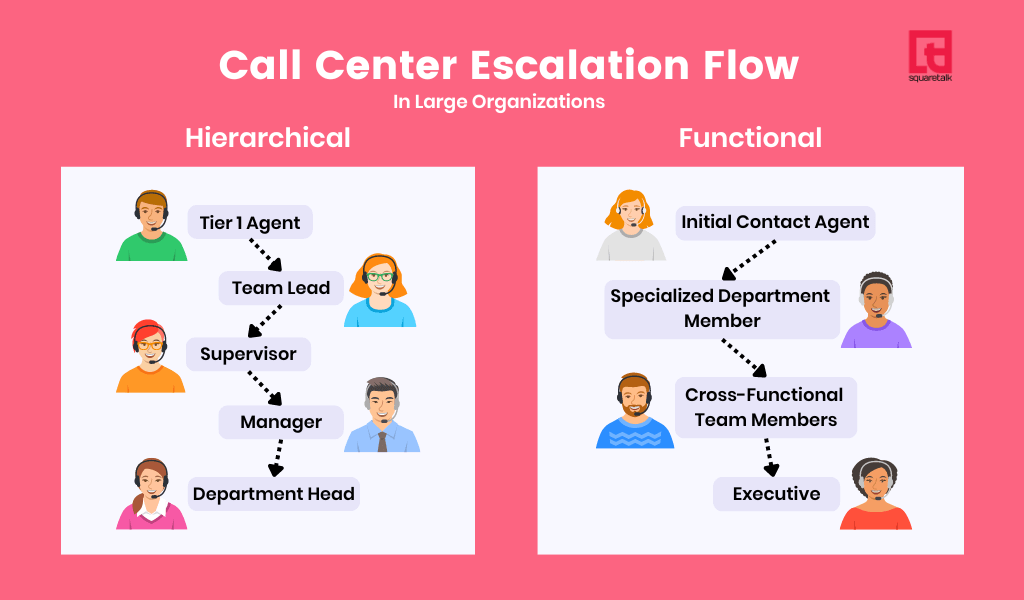
In today’s customer-centric business landscape, effective management of customer escalations is crucial to maintaining brand reputation, customer satisfaction, and long-term loyalty. When issues escalate, the ability to track, respond, and resolve problems swiftly can make the difference between retaining a valued customer or losing them to a competitor.
A Customer Relationship Management (CRM) system is an indispensable tool in this process. By centralizing communication, automating workflows, and providing visibility into customer interactions, CRM platforms enable businesses to manage escalations efficiently and professionally.
This article outlines actionable strategies to manage customer escalations via CRM systems, empowering your teams to turn challenges into opportunities.
1. Centralize Escalation Tracking in Your CRM
The first step to managing escalations is ensuring all customer complaints, issues, and follow-ups are documented in one place. A CRM allows:
- Unified customer profiles: Track every interaction, purchase, and support request linked to a customer.
- Escalation tickets: Create and categorize escalation cases, enabling prioritization and assignment.
- Visibility across teams: Ensure sales, support, and management have real-time access to escalation status and history.
Centralization eliminates communication gaps, reduces duplication, and speeds up resolution.
2. Automate Escalation Workflows
Leveraging CRM automation features can dramatically improve escalation handling:
- Automatic ticket creation: Generate escalation cases automatically when a customer submits a complaint or when service levels drop below a threshold.
- Prioritization and routing: Use rules to assign escalations to the right team or manager based on issue severity, customer segment, or product line.
- Notification and reminders: Keep responsible parties alerted to pending escalations and approaching deadlines.
Automation reduces manual errors and ensures no escalation falls through the cracks.
3. Maintain Clear Communication with Customers
Consistent, transparent communication is key during escalations. Your CRM should facilitate:
- Centralized communication logs: All emails, calls, and messages linked to the escalation are stored and accessible.
- Personalized messaging: Use CRM data to tailor responses based on the customer’s history and preferences.
- Multi-channel engagement: Engage customers via email, SMS, chat, or phone, depending on their preferred channel.
Clear communication reassures customers that their concerns are taken seriously and builds trust.
4. Analyze Root Causes Using CRM Insights
Resolving the immediate issue is critical, but understanding why it occurred helps prevent recurrence. CRM analytics can:
- Identify patterns in escalations by product, service, or agent.
- Highlight recurring issues or systemic problems.
- Measure resolution times and customer satisfaction scores post-escalation.
These insights inform process improvements, training needs, and product development initiatives.
5. Empower Your Team with CRM-Driven Knowledge Bases
Integrate your CRM with a knowledge base or FAQs that provide agents with:
- Quick access to troubleshooting guides and escalation protocols.
- Step-by-step resolution templates to maintain consistency.
- Real-time updates on policy changes or product fixes.
Equipped with the right resources, your team can resolve escalations faster and more effectively.
6. Monitor Escalation KPIs and Continuous Improvement
Track key performance indicators (KPIs) within your CRM to evaluate escalation management success:
- Average resolution time
- Customer satisfaction (CSAT) and Net Promoter Score (NPS) after escalation
- Number and type of escalations per period
- Repeat escalation rate
Regularly review these metrics to refine your escalation processes and improve customer experience.
7. Foster a Customer-Centric Culture Using CRM
A CRM system is not just a tool but a catalyst for a customer-first mindset. Encourage your teams to:
- View escalations as opportunities to demonstrate empathy and build loyalty.
- Use CRM data to understand the customer journey and personalize support.
- Collaborate transparently across departments to resolve escalations holistically.
This cultural shift, supported by CRM capabilities, drives lasting customer satisfaction.
Conclusion
Effectively managing customer escalations via CRM systems transforms potentially damaging situations into opportunities for positive engagement and growth. By centralizing escalation tracking, automating workflows, maintaining clear communication, leveraging insights, and monitoring performance, businesses can enhance their responsiveness and build stronger customer relationships.