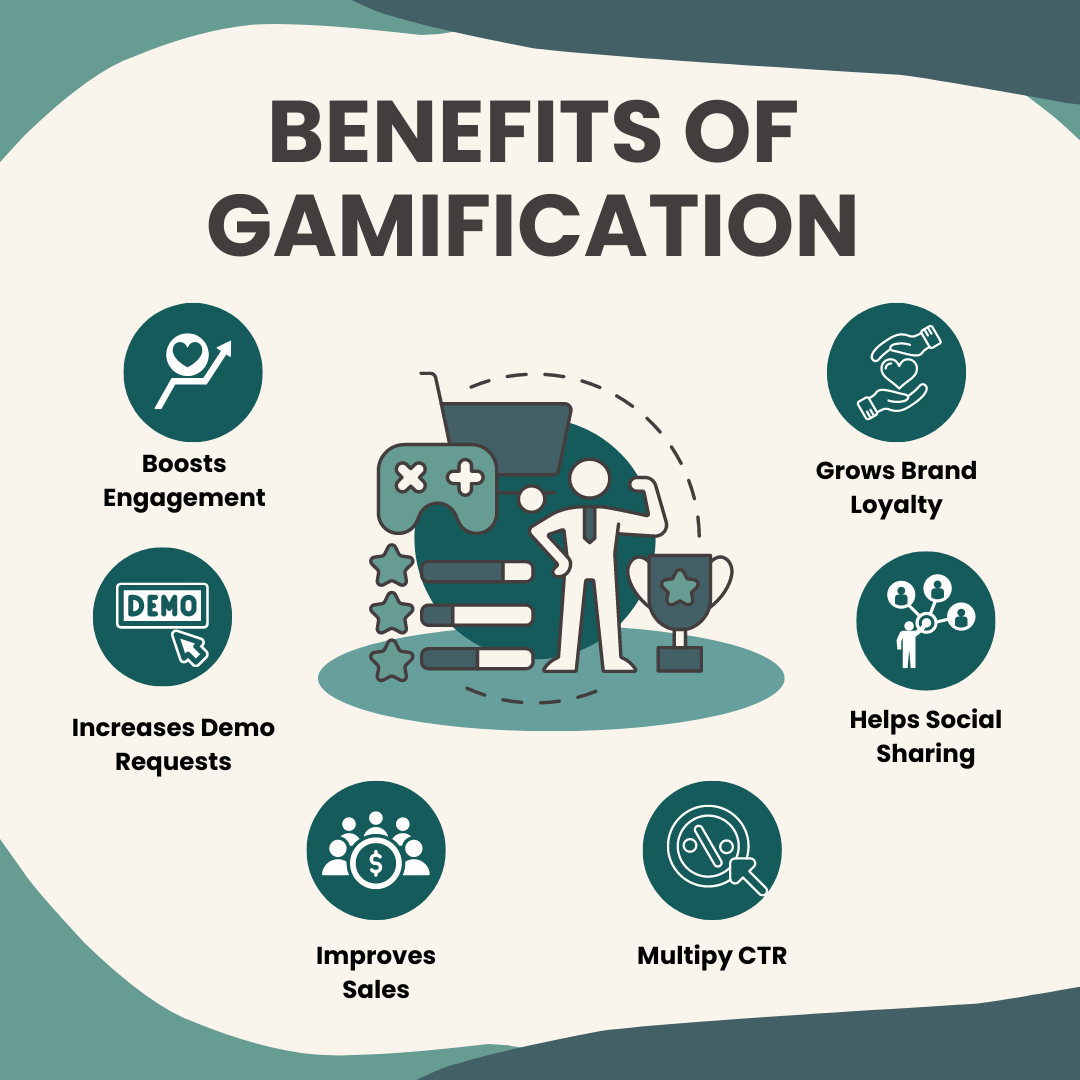
In today’s hyper-competitive digital marketplace, businesses must go beyond traditional methods to engage users and drive CRM adoption. Gamification, when applied effectively to Customer Relationship Management (CRM) systems, not only boosts user engagement but also accelerates data quality, pipeline progression, and customer satisfaction. Here are CRM gamification ideas that work—designed to create a culture of performance, accountability, and fun.
Why CRM Gamification Matters
Gamification taps into fundamental human psychology—reward, competition, achievement, and recognition—to improve CRM utilization. When strategically executed, it turns repetitive CRM tasks into motivational triggers. Sales teams become more proactive, marketing teams collaborate better, and customer service reps deliver with greater enthusiasm.
1. Leaderboards: Fueling Healthy Competition
A classic but powerful gamification element, leaderboards visualize user rankings based on key performance indicators (KPIs) like:
- Number of leads added
- Follow-up calls completed
- Opportunities closed
- Revenue generated
Best Practices:
- Segment leaderboards by teams or regions to ensure fairness
- Reset leaderboards monthly or quarterly to keep motivation fresh
- Offer tiered rewards for top performers
Leaderboards create visibility and motivate underperformers to close the gap while celebrating top contributors.
2. Achievement Badges: Reward Milestones
Digital badges are visual proof of achievement, offering public recognition for hitting milestones. These can be triggered by:
- Closing the first deal
- Logging 100 client interactions
- Achieving 90% CRM profile completeness
- Finishing training modules
Pro Tip: Design badges to align with strategic objectives. Create tiered badges—Bronze, Silver, Gold—for progressive goals. Display them prominently on user dashboards or internal profiles.
3. Sales Quests: Turning Goals into Missions
Transform quarterly targets into “quests” that feel more like missions than quotas. For example:
- “$50K Club Quest”: Reach $50,000 in sales this month
- “Follow-Up Ninja”: Complete 20 follow-ups within 48 hours
- “Pipeline Hero”: Add 15 new qualified leads in one week
Quests can be solo or team-based, adding elements of collaboration and urgency. Incorporate visual progress bars and thematic elements to boost engagement.
4. Real-Time Progress Dashboards
A well-designed CRM dashboard can act like a game control panel. Users should see:
- Current rank on leaderboards
- Points earned
- Completed achievements
- Progress toward active goals
Gamified dashboards reinforce daily habits and provide instant feedback, increasing CRM stickiness and reducing drop-off rates.
5. Incentivized Micro-Challenges
Create daily or weekly micro-challenges to encourage continuous interaction. Examples:
- “Log all calls for the day”
- “Follow up within 2 hours of lead assignment”
- “Complete all fields on a new lead form”
Gamify these with a point system, countdown timers, or streaks (e.g., 5 days in a row = bonus). Keep them fresh and fun to maintain interest.
6. Spin-the-Wheel Rewards
Add excitement with a “spin-the-wheel” reward mechanism for completing tasks like:
- Submitting expense reports
- Updating client status
- Completing call logs
Employees earn spins after completing certain activities. Prizes could range from gift cards and lunch vouchers to additional PTO hours. This method taps into chance and anticipation—key drivers of engagement.
7. Peer Recognition Systems
Gamification isn’t just about competition; it’s also about community. Enable peer-to-peer recognition, where team members can give “kudos” or virtual high-fives for:
- Helpful collaboration
- Going the extra mile for a client
- Solving a complex issue
These recognitions could be tied to points or badge systems. Public praise encourages a supportive environment and promotes desired behaviors.
8. Onboarding and Training Levels
CRM adoption often fails due to poor onboarding. Gamify training by designing it as progressive levels, such as:
- Level 1: System Navigation
- Level 2: Lead Entry and Management
- Level 3: Sales Pipeline Management
- Level 4: Advanced Reporting
Each level unlocks after completion of the previous one, with quizzes, simulations, and interactive challenges. Offer badges and even small rewards upon completing each stage.
9. Daily Check-in Streaks
Encourage consistency through check-in streaks, where users are rewarded for logging into the CRM and performing core tasks daily. For example:
- 5-day streak = 50 bonus points
- 10-day streak = 100 bonus points + badge
- 30-day streak = entry into a premium raffle
This feature not only drives daily usage but ensures that pipelines remain updated and CRM data stays accurate.
10. Monthly Competitions and Themes
Organize monthly themed competitions, like:
- “Close-tober” – Focused on closing deals
- “March Metrics Madness” – Emphasis on CRM data hygiene
- “Demo-vember” – Push for scheduling demos
Integrate themes into visuals, terminology, and reward structures. Rotate themes to address different KPIs and keep employees engaged with fresh goals each month.
11. CRM-integrated Point Systems
Design a points-based ecosystem within your CRM. Assign points to different actions:
- Logging a call = 5 points
- Updating a deal stage = 10 points
- Adding a new contact = 3 points
- Attending CRM training = 20 points
Track totals and offer rewards in tiers. Users can redeem points for merchandise, lunch vouchers, or exclusive company perks.
12. Time-Limited Challenges
Launch time-sensitive challenges to boost urgency and momentum. For example:
- “48-hour Contact Blitz”: Reach out to as many leads as possible
- “End-of-Quarter Crunch”: Push all late-stage deals to close
Use countdown timers and real-time progress updates to build tension and competitiveness. Offer exclusive rewards to top finishers or anyone who hits minimum targets.
13. AI-Powered Smart Suggestions
Leverage AI to create personalized gamified tasks, such as:
- Suggested leads to follow up with today
- Recommended contacts to update
- Custom challenges based on user behavior
This level of personalization ensures that gamification aligns with each individual’s daily work routine, making it more effective and less intrusive.
14. Feedback Loops and Analytics
Ensure every gamification element is tied to measurable CRM goals. Use reporting tools to:
- Analyze participation rates
- Track performance improvement
- Identify which challenges yield the most ROI
Iterate regularly based on analytics to keep your gamification strategy optimized and impactful.
Conclusion: Gamify with Purpose and Precision
CRM gamification isn’t about gimmicks—it’s about creating systems that foster accountability, motivation, and engagement. By blending creativity with strategic design, organizations can transform their CRM platforms into dynamic ecosystems of performance and recognition.