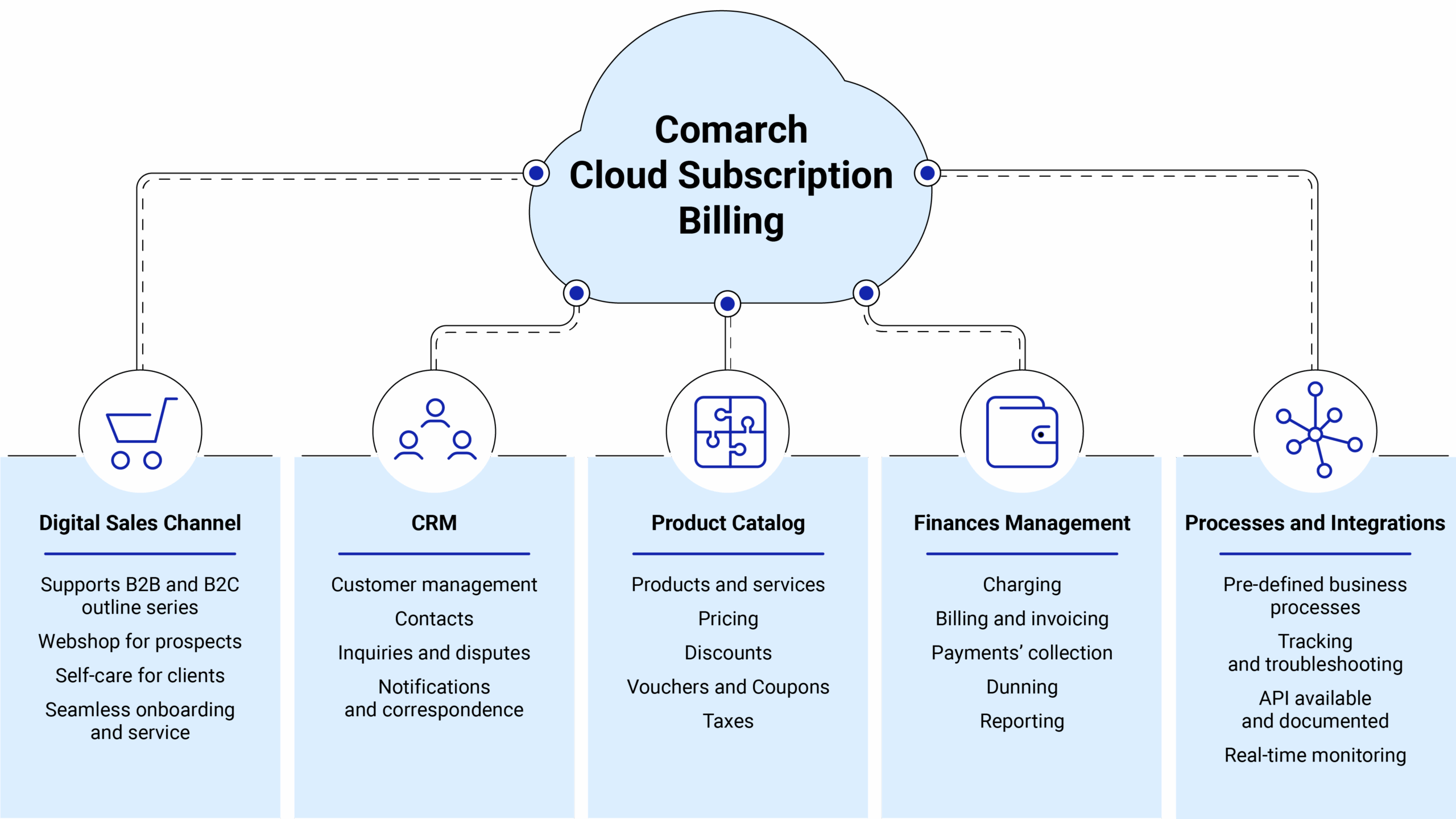
Subscription-based business models have become a dominant force across industries—from streaming services and SaaS platforms to subscription boxes and digital memberships. The recurring revenue and customer loyalty inherent in subscriptions offer tremendous growth potential, but they also require sophisticated management of customer relationships over time. This is where Customer Relationship Management (CRM) systems play a critical role.
A well-implemented CRM tailored for subscription businesses empowers companies to manage subscriber lifecycles, reduce churn, personalize experiences, and maximize lifetime value. In this article, we dive deep into how CRM solutions unlock the full potential of subscription models and drive sustained success.
1. Why Subscription Businesses Need Specialized CRM
Unlike one-time sales, subscription models rely heavily on ongoing customer engagement and retention. Managing subscriber touchpoints across acquisition, onboarding, usage, renewal, and potential cancellation requires:
- Centralized subscriber data
- Automated communications and billing reminders
- Proactive churn prevention
- Insightful analytics on subscriber behavior
Generic CRMs often fall short in addressing these needs. Subscription-focused CRMs or CRM customizations provide the tools and workflows necessary to nurture recurring relationships effectively.
2. Centralized Subscriber Data Management
At the heart of subscription CRM is a unified view of each subscriber. This includes:
- Subscription plan details and billing history
- Payment status and transaction records
- Engagement metrics such as product usage or content consumption
- Customer support interactions and tickets
- Preferences, feedback, and personal information
Having all this information in one place enables teams to deliver personalized, timely interactions and resolve issues faster—critical factors in subscriber satisfaction.
3. Automating Subscription Lifecycle Workflows
Subscription businesses benefit immensely from automating repetitive tasks using CRM workflows:
a. Onboarding Automation
Trigger welcome emails, tutorials, or personalized offers once a customer subscribes to ensure a smooth start.
b. Renewal and Payment Reminders
Automate reminders before payment due dates or subscription renewals to reduce involuntary churn.
c. Upsell and Cross-Sell Campaigns
Set up automated workflows to recommend upgrades, additional products, or services based on subscriber usage and behavior.
d. Churn Prevention
Automatically identify subscribers exhibiting disengagement signals (e.g., reduced product usage) and trigger targeted re-engagement campaigns or special offers.
e. Feedback Collection
Schedule regular surveys or NPS polls to capture subscriber sentiment and uncover areas for improvement.
4. Improving Customer Retention Through CRM
Retention is the lifeblood of subscription models, and CRM offers multiple levers to increase it:
- Behavioral Analytics: Identify usage patterns or declining engagement early.
- Personalized Communication: Tailor emails, content, and offers based on customer data.
- Proactive Support: CRM ticketing integrated with subscription info ensures timely resolution of issues.
- Loyalty Programs: Use CRM data to reward long-term subscribers or frequent users.
- Predictive Churn Models: Advanced CRMs apply AI to predict churn risk and suggest interventions.
By actively managing retention, subscription businesses increase customer lifetime value (CLV) and revenue stability.
5. Enhancing Revenue Management
CRM systems integrated with billing and payment gateways streamline:
- Invoice generation and payment tracking
- Handling failed payments with automated retries and alerts
- Managing subscription upgrades, downgrades, and cancellations
- Providing financial reports and revenue forecasting
These capabilities ensure smooth financial operations, reduce revenue leakage, and maintain cash flow predictability.
6. Delivering Personalized Experiences
Subscribers today expect relevant content and offers tailored to their preferences. CRM data enables:
- Segmentation by demographics, usage behavior, or subscription type
- Targeted marketing campaigns and personalized messaging
- Customized onboarding journeys based on subscriber profile
- Dynamic product recommendations driven by AI-powered CRM insights
Personalization enhances customer satisfaction and fosters deeper brand loyalty.
7. Integrating CRM with Other Subscription Tools
A robust subscription CRM integrates seamlessly with:
- Billing platforms like Stripe, Chargebee, or Recurly
- Customer support systems such as Zendesk or Freshdesk
- Marketing automation tools for drip campaigns and lead nurturing
- Analytics platforms for deeper behavioral insights
- Content delivery systems in media or e-learning subscriptions
This creates a cohesive ecosystem that unifies data and streamlines workflows across departments.
8. Choosing the Right CRM for Subscription Businesses
Key features to look for when selecting a CRM include:
- Subscription lifecycle management capabilities
- Flexible automation and workflow engines
- Advanced analytics and reporting tools
- Integration with billing and payment gateways
- Scalability to grow with your subscriber base
- User-friendly interface for sales, marketing, and support teams
Popular CRM options for subscription businesses include HubSpot, Salesforce, Zoho CRM, and specialized platforms like Chargify CRM or Zuora’s CRM integrations.
Conclusion: CRM Is Essential for Subscription Business Growth
Subscription businesses thrive on long-term customer relationships and consistent revenue streams. Without a robust CRM system designed to address the unique demands of subscription lifecycles, companies risk losing customers to churn, inefficient processes, and missed growth opportunities.
By leveraging CRM for centralized data, automated workflows, personalized communication, and integrated revenue management, subscription businesses can boost retention, enhance customer satisfaction, and maximize lifetime value—ultimately fueling sustainable growth in a competitive market.